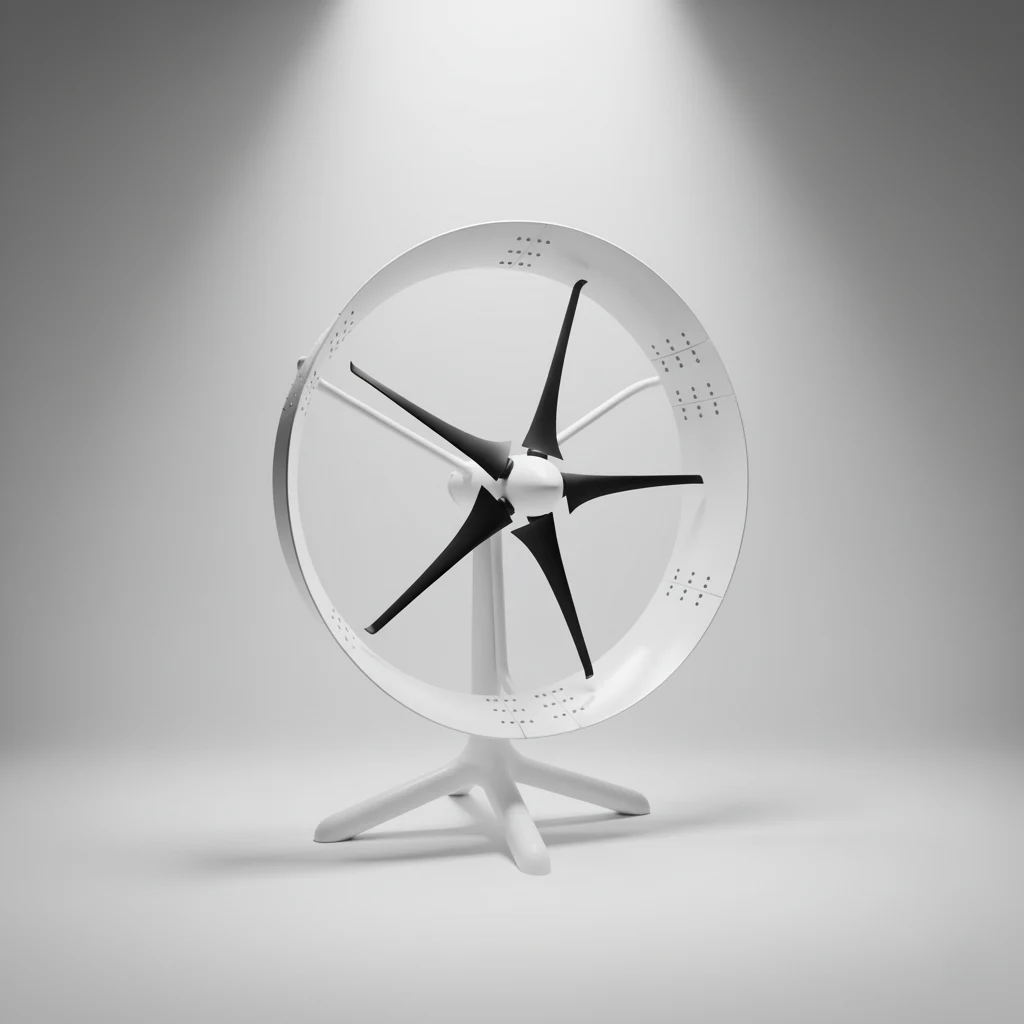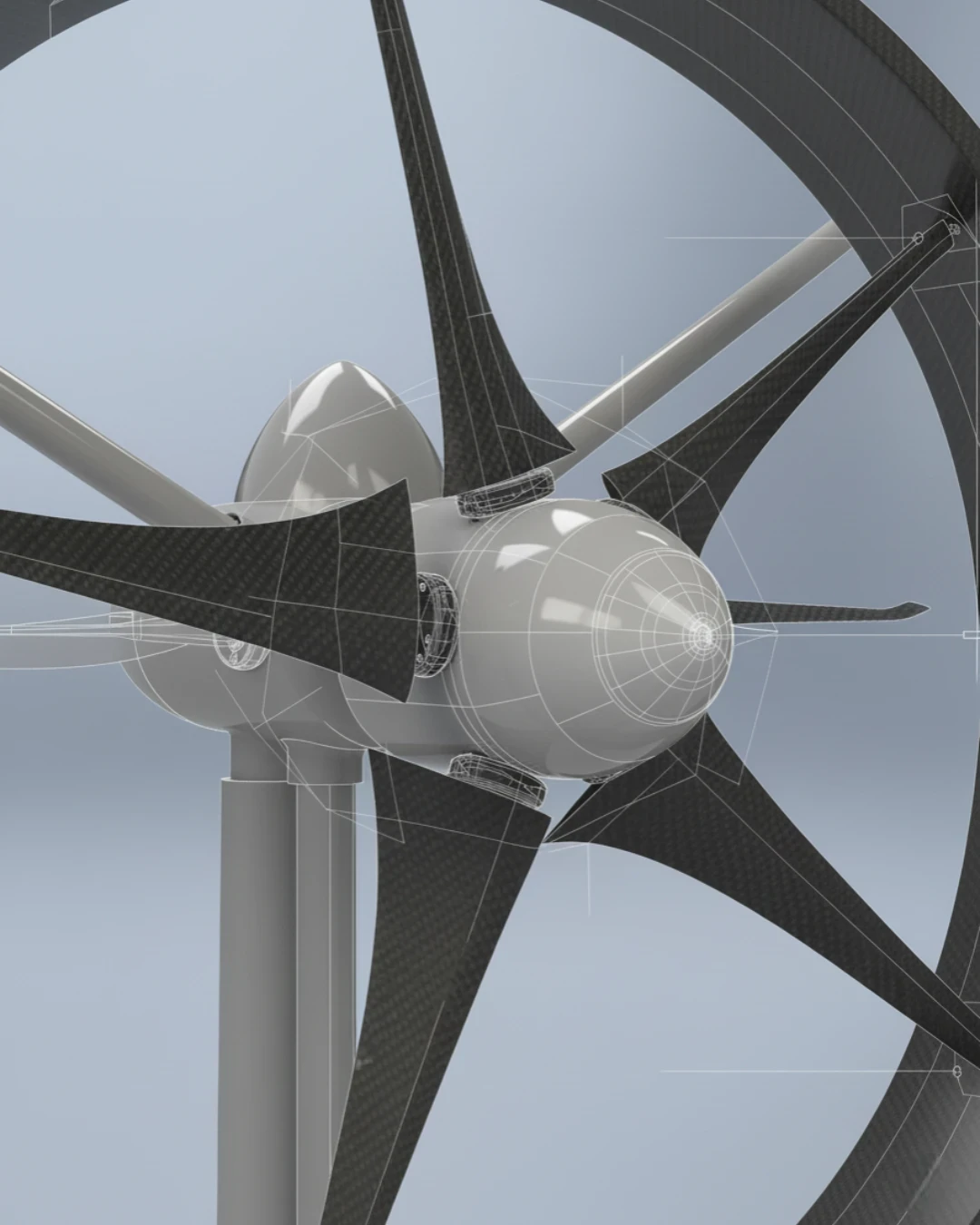
Rotates the blades to ensure the most efficient and safe rotation velocity
Active Pitch Control (APC) is a system that dynamically adjusts the angle (pitch) of wind turbine blades relative to the incoming wind.
By continuously optimising the blade angle, APC ensures the rotor operates at its most efficient aerodynamic condition across changing wind speeds, balancing three critical factors:
Maximum energy capture
Load reduction
Structural safety
How APC Works in Wind Turbines
In large-scale wind turbines, Active Pitch Control is the industry standard for power regulation. The blades rotate around their longitudinal axis in real time, enabling the system to:
Maximise power output at low to medium wind speeds
Prevent aerodynamic stall
Reduce structural loads during gusts
Shut down safely in extreme wind conditions
APC in Small-Scale Wind Turbines
For small-scale turbines, active pitch control is far less common. Most micro turbines rely on:
Fixed-pitch blades
Mechanical stall systems
Furling mechanisms
While these simpler systems reduce complexity, they limit performance and adaptability — especially in turbulent or urban environments where small turbines often operate.
Advantages in Built Environments
In variable and gusty wind conditions, Active Pitch Control provides significant benefits:
Increased efficiency – Maintains optimal angle of attack across varying wind speeds
Stall prevention – Avoids sudden aerodynamic performance loss
Overspeed protection – Actively limits rotor speed in high winds
Extended lifespan – Reduces mechanical stress and fatigue loads
By actively managing aerodynamic forces, APC enables small turbines to operate more intelligently and safely.
APC System Components
An Active Pitch Control system consists of three main components:
1. Sensors
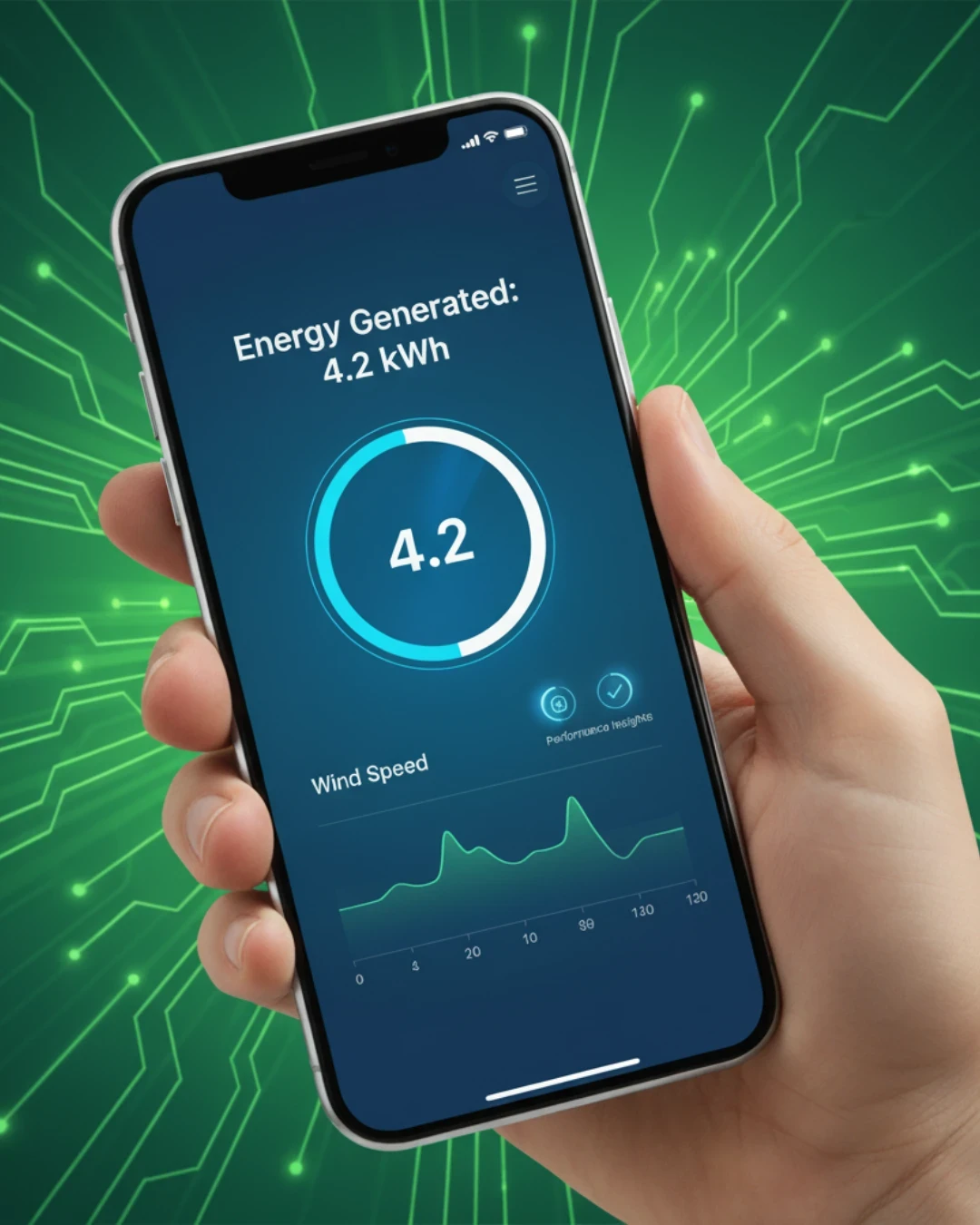
Measure wind speed, rotor speed, and in some cases blade loading.
2. Controller
A control algorithm processes sensor data and determines the optimal blade angle in real time.
3. Actuators
Electric motors (or hydraulic systems) physically rotate the blades around their axis.
Our Approach at GEM
At GEM, integrating advanced control into small-scale wind systems allows us to bring large-turbine intelligence to distributed energy generation — improving performance, reliability, and long-term durability.